Maximizing Business Success with Cost-Effective Air Freight Solutions
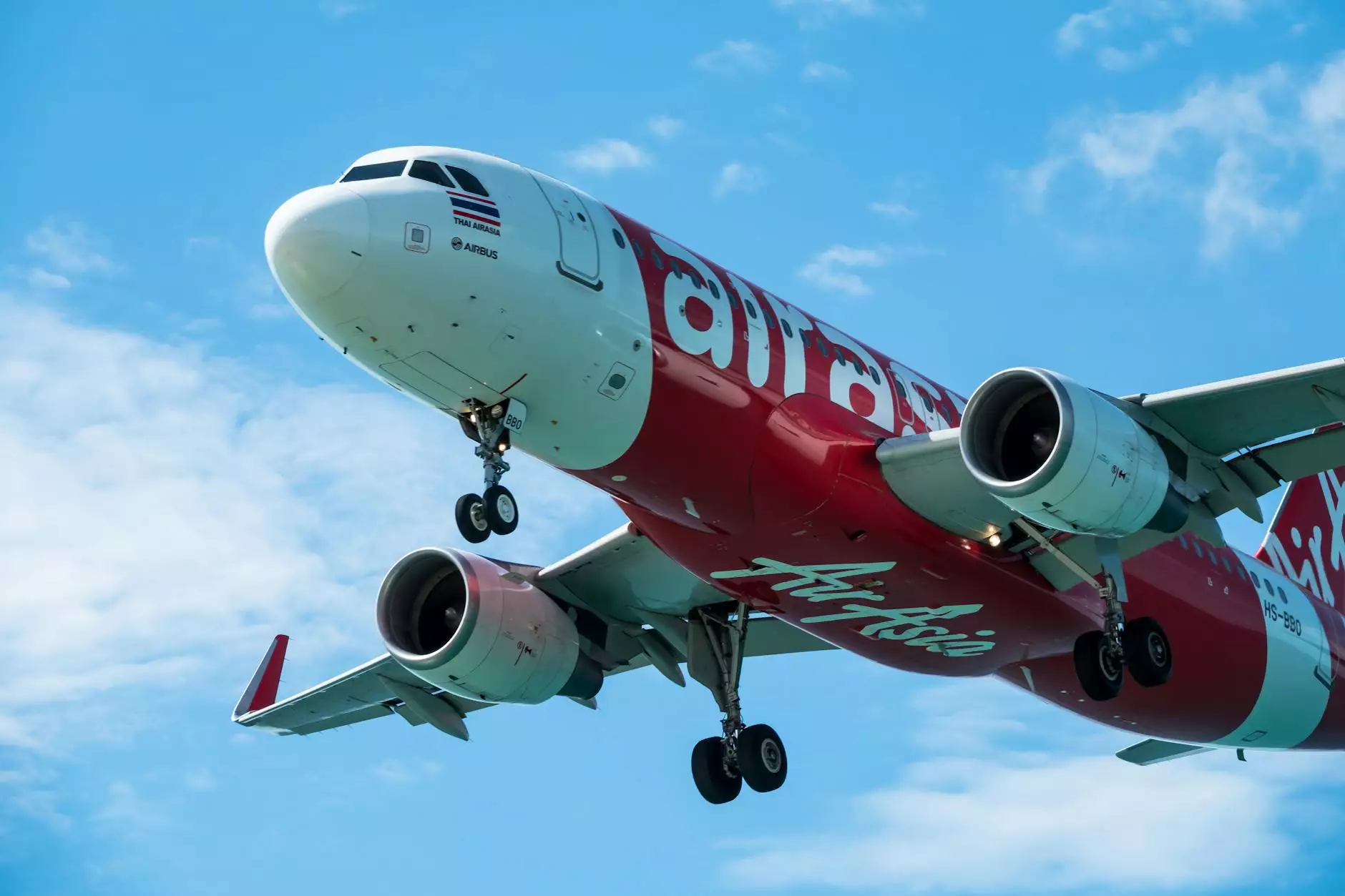
In today’s global economy, effective logistics and transportation strategies are the backbone of thriving businesses. Among various shipping methods, air freight has emerged as a pivotal service, offering unmatched speed and reliability for transporting goods across borders. However, understanding and managing the air freight cost per pound is essential for companies aiming to optimize their shipping budgets while ensuring timely delivery.
The Significance of Air Freight in Modern Business
As businesses expand their reach and customer expectations heighten, the need for fast and dependable shipping solutions becomes paramount. Air freight stands out due to its ability to deliver goods swiftly, often within 24-48 hours, compared to traditional sea or land transportation. This speed enhances inventory turnover, reduces warehousing costs, and allows companies to respond quickly to market demands.
Understanding Air Freight Cost Per Pound
The air freight cost per pound is a critical metric in logistics pricing that directly influences profit margins and competitiveness. This cost is determined by several factors, including the type of cargo, destination, airline carriers, and current fuel prices. Accurate knowledge of this cost enables businesses to budget effectively and select optimal shipping options.
Factors Influencing the Air Freight Cost Per Pound
- Distance and Destination: Longer shipments to remote or less accessible airports tend to incur higher costs.
- Cargo Type and Weight: Heavy or bulky items often have a higher cost per pound due to space utilization and handling requirements.
- Fuel Prices: Fluctuations in fuel costs significantly impact airline pricing structures.
- Market Demand: Peak seasons such as holidays or special events can lead to increased prices owing to higher demand.
- Airline and Service Level: Premium services or dedicated cargo flights come at a premium, affecting the overall cost per pound.
- Regulatory and Security Requirements: Strict compliance with international shipping regulations can add to costs.
Strategies to Optimize Air Freight Cost Per Pound
For businesses aiming to minimize shipping costs without compromising on speed or reliability, several actionable strategies can be employed:
- Consolidate Shipments: Combining multiple smaller shipments into a single freight load can reduce the overall air freight cost per pound by maximizing space utilization.
- Negotiate with Carriers: Establishing long-term partnerships and negotiating volume discounts can significantly lower prices.
- Optimize Packaging: Use lightweight, space-efficient packaging to reduce weight and volume, thus lowering costs.
- Choose Strategic Ports and Airports: Shipping through major hubs with high traffic can result in more competitive rates.
- Plan Ahead: Advanced planning allows for securing better rates and avoiding peak season surcharges.
- Utilize Freight Forwarders: Professional freight forwarding services can leverage their networks and expertise to find the best rates available.
The Role of Shipping Centers, Transportation, and Airports in Cost Management
A comprehensive understanding of the logistics infrastructure involved in air freight can greatly influence overall costs. Here’s how shipping centers, transportation networks, and airports play a vital role:
Shipping Centers and Warehousing
Well-placed shipping centers facilitate quick consolidation and distribution of cargo, reducing transit times and costs. Efficient warehousing solutions enable businesses to hold inventory strategically, minimizing the need for expedited shipments and associated premiums.
Transportation Networks
Coordination between ground transportation providers—such as trucking and rail—ensures seamless movement from warehouses to airports and from airports to end destinations. Optimized routing minimizes delays and fuel consumption, directly impacting the air freight cost per pound.
Airports as Logistic Hubs
Major international airports with high cargo traffic, advanced facilities, and efficient customs clearance processes offer the lowest typical costs. Choosing the right airport for shipment pickup and delivery can significantly influence overall logistics expenses.
Impact of Airport Selection on Shipping Costs
Selecting the appropriate airport is crucial for controlling air freight cost per pound. Factors to consider include:
- Proximity to Business Operations: Closer airports reduce transportation time and costs.
- Airport Capacity and Connectivity: Larger hubs with multiple airlines and flight options tend to offer more competitive rates.
- Customs Clearance Efficiency: Airports with streamlined customs procedures minimize delays and additional charges.
- Freight Handling Facilities: Modern and comprehensive cargo facilities improve handling speed and reduce damages or delays that can add costs.
Innovations in Air Freight that Lower Costs
The logistics industry continuously evolves with technological advancements, leading to cost reductions and efficiency improvements:
- Real-Time Tracking: Enables rapid response to logistical issues, reducing delays.
- Advanced Data Analytics: Helps forecast demand and optimize routing strategies.
- Automation and Robotics: In warehouses and airports decrease handling times and errors.
- Blockchain Technology: Enhances transparency and streamlines documentation, cutting administrative costs.
The Future of Air Freight Costs and Business Opportunities
As global trade continues to expand, the importance of managing air freight cost per pound effectively will only increase. Emerging trends such as sustainable aviation fuels and eco-friendly logistics practices aim to reduce environmental costs, potentially influencing pricing structures. Forward-thinking businesses that leverage technology and strategic planning will gain competitive advantages.
Partnering with Top Air Freight and Logistics Providers
Collaborating with reputable shipping centers, transportation providers, and airport services like those offered by cargobooking.aero can unlock significant savings, improve service quality, and provide valuable insights into optimizing your logistics operations.
Conclusion: Unlocking Business Potential Through Cost-Effective Air Freight
Ultimately, mastering the intricacies of the air freight cost per pound empowers businesses to make smarter logistics decisions that enhance profitability and customer satisfaction. From understanding the influencing factors to employing strategic techniques and leveraging advanced infrastructure, companies can navigate the complexities of air freight to achieve operational excellence and unlock growth opportunities.
For tailored solutions and expert guidance on controlling your air freight cost per pound, partnering with industry leaders like cargobooking.aero ensures that your business remains competitive in the dynamic world of international shipping.


