Understanding US Dollar Fake Currency: Insights and Implications
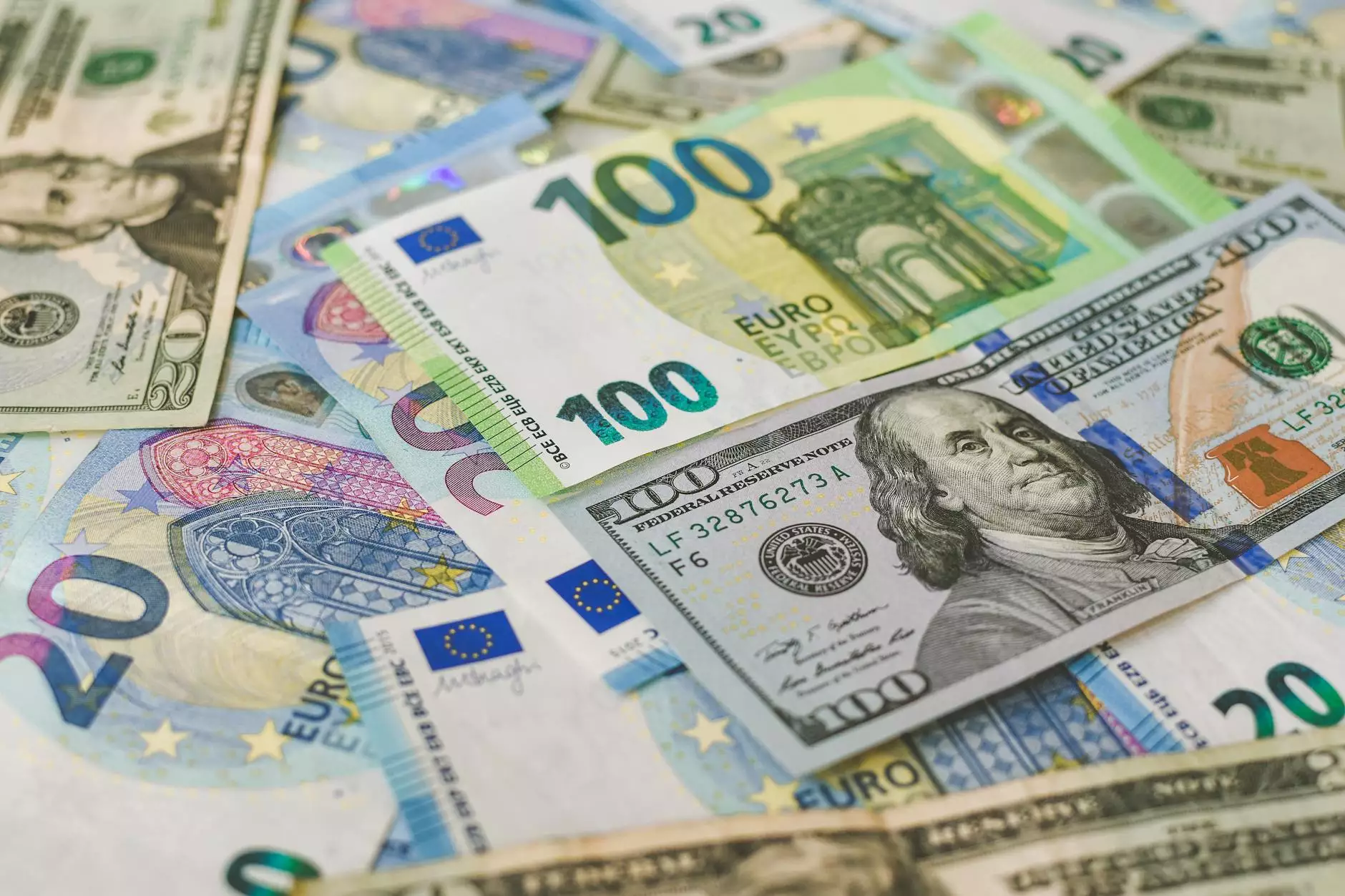
Counterfeit currency has become a growing concern in today's global economy, with the US dollar being one of the most frequently targeted currencies for counterfeiting. This article delves into the complexities of US dollar fake currency, helping readers understand its implications, how to identify it, and what measures can be taken to protect oneself from falling victim to counterfeit schemes.
What is US Dollar Fake Currency?
The term US dollar fake currency refers to any currency that imitates genuine US dollars but lacks legal tender status. Counterfeit notes are often manufactured with the intent to deceive the public and are typically produced using various printing technologies that allow them to closely mimic official banknotes.
The Impact of Counterfeit Money on the Economy
Fake currency poses significant risks not only to individuals but also to the broader economy. Below are some of the key impacts:
- Loss of Trust: The presence of counterfeit money can erode public trust in the currency system.
- Inflation: An increase in the amount of counterfeit money can lead to inflation, as it effectively increases the money supply without backing it with real value.
- Financial Institutions at Risk: Banks and financial institutions are at risk of accepting counterfeit bills, which can lead to substantial losses.
Legal Implications of Counterfeiting
Counterfeiting is treated as a serious crime in most jurisdictions. In the United States, the production or distribution of fake currency can lead to severe legal consequences, including:
- Felony Charges: Counterfeiting is typically charged as a felony, which can result in lengthy prison sentences.
- Fines: Convictions often include hefty fines imposed on those found guilty of counterfeiting.
- Criminal Record: A conviction can lead to a permanent criminal record, affecting future employment opportunities.
Recognizing US Dollar Fake Currency
Being able to identify counterfeit currency is crucial for both individuals and businesses. Here are some common features to look for:
1. Security Features
Modern US dollar bills come with a variety of security features designed to prevent counterfeiting:
- Watermarks: Genuine bills have a watermark that appears on the front side when held up to light.
- Color-Shifting Ink: The ink used in the denomination number shifts color when the bill is tilted.
- Security Threads: Embedded threads in the paper that are visible when held against light.
2. Paper Quality
Genuine US currency is printed on a specific blend of cotton and linen, giving it a distinct feel. Counterfeit bills often use inferior paper that can feel too slick or too rough.
3. Print Quality
Print quality is another key identifier:
- Sharp Images: Genuine bills have sharp, clear images and text.
- Detail Level: Counterfeit bills often lack the fine details found on authentic currency.
How to Protect Yourself from Fake Currency
Preventing losses due to counterfeit notes is essential for both individuals and businesses. Here are some effective strategies:
1. Educate Yourself and Your Employees
Understanding the features of real currency is vital. Regular training sessions can help keep everyone updated on the latest counterfeit detection techniques.
2. Utilize Detection Tools
Investing in counterfeit detection tools can provide an extra layer of security:
- UV Light Detectors: These devices can reveal hidden features in genuine currency.
- Magnifying Glasses: Help examine the detail and engraving of bills.
- Counterfeit Detection Pens: Use a special ink to react to the paper composition of suspected bills.
3. Report Suspected Counterfeits
If you suspect you've received counterfeit currency, it's crucial to report it to the authorities immediately. Contact local law enforcement or the nearest Secret Service office, which is responsible for investigating counterfeiting.
The Role of Technology in Combatting Counterfeiting
As counterfeiting techniques evolve, the methods used by authorities and businesses to combat it must adapt as well. Here are some technological advancements making a difference:
1. Digital Currency
The rise of digital currencies may help reduce the impact of counterfeit physical currency. Transactions done through digital platforms minimize the exchange of physical notes, reducing opportunities for counterfeiting.
2. Advanced Printing Technology
Governments are constantly improving the printing technologies used to produce currency, incorporating more complex security features that are difficult to replicate.
The Future of US Dollar Fake Currency
Looking ahead, the challenge of counterfeit currency will likely continue. While authorities remain vigilant and technological advancements offer hope, the persistence of counterfeiters means continuous education and adaptation are necessary.
1. Ongoing Innovation in Security
As counterfeiters refine their techniques, continuous innovation in note security will be critical. The introduction of new, sophisticated security features will be essential to stay one step ahead.
2. Public Awareness Campaigns
Raising public awareness about the dangers of counterfeit currency is fundamental. Initiatives to inform citizens about recognizing real bills can significantly reduce the prevalence of counterfeiting.
Conclusion
Understanding the US dollar fake currency phenomenon is vital for consumers, businesses, and policymakers alike. While the challenges posed by counterfeit money are significant, employing educational strategies, leveraging technology, and fostering public awareness can help mitigate these risks. By staying informed and vigilant, we can work collectively to safeguard the integrity of our currency and financial systems.