Maximizing Efficiency with Industrial Cold Stores
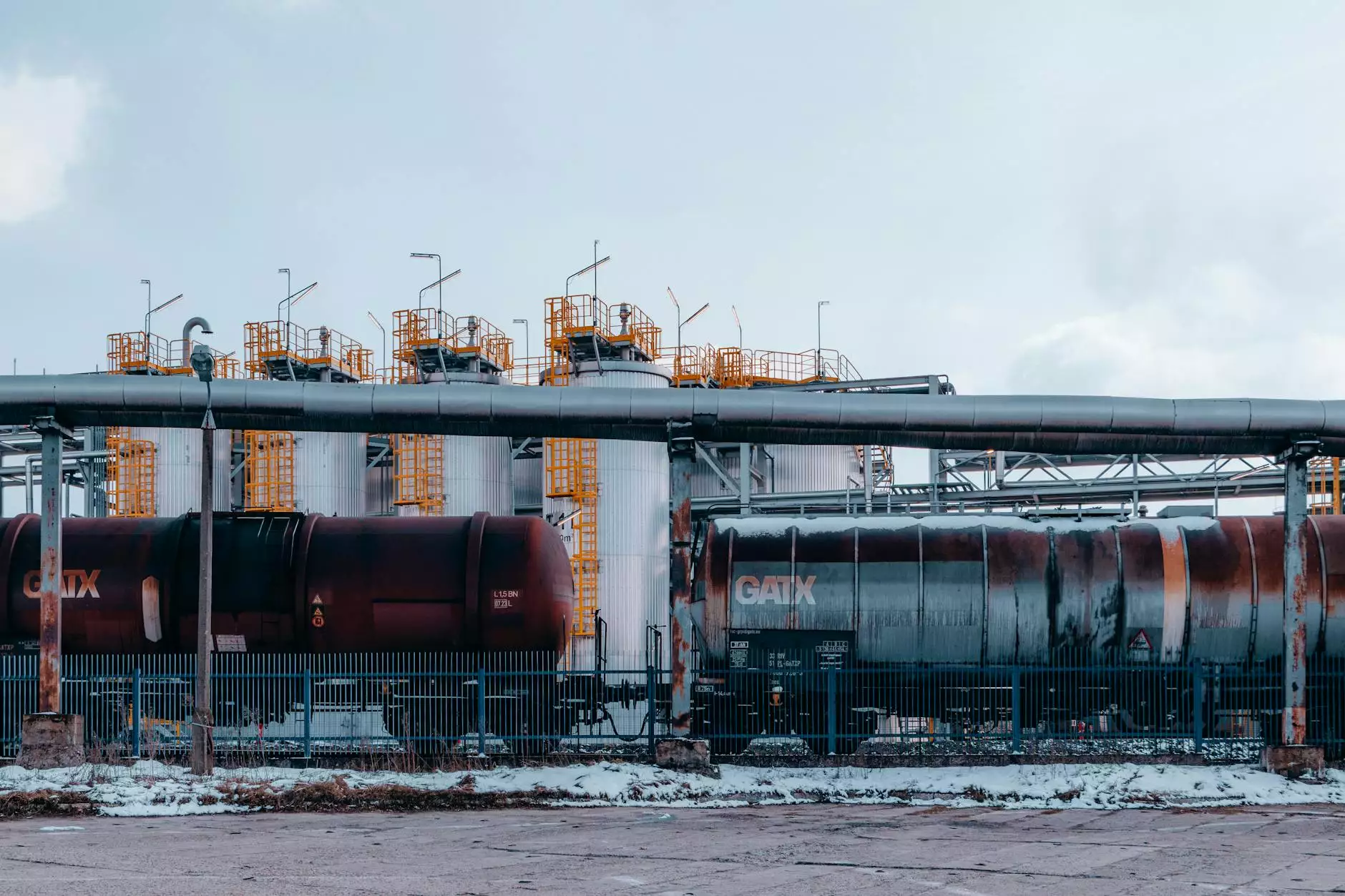
The importance of industrial cold stores cannot be underestimated in today’s fast-paced business environment. For industries ranging from food production to pharmaceuticals, the ability to store products at precise and controlled temperatures is crucial. This detailed article delves into the myriad benefits, types, and considerations that come with using industrial cold storage solutions in our ever-evolving market.
Understanding Industrial Cold Stores
Industrial cold stores are specialized facilities used to store perishable goods under controlled temperature conditions. These establishments play a critical role in preserving the quality and extending the shelf life of various products. From frozen foods to temperature-sensitive pharmaceuticals, the applications of cold storage are vast and varied.
The Importance of Temperature Control
Maintaining the right temperature in storage units is paramount. Different products require different storage conditions to remain safe and effective. For example:
- Frozen Foods: Typically stored at -18°C or below.
- Fresh Produce: Often kept between 0°C to 4°C to maintain freshness.
- Pharmaceuticals: Some drugs need to be stored at 15°C to 25°C to ensure efficacy.
Benefits of Using Industrial Cold Stores
Utilizing industrial cold stores comes with a multitude of benefits that can significantly impact a business's operational efficiency and product quality. Here are some key advantages:
1. Extended Shelf Life
By effectively regulating temperature and humidity levels, industrial cold stores can extend the shelf life of products. This is particularly crucial for food and pharmaceuticals, where spoilage can lead to financial loss and health risks.
2. Improved Product Quality
Storing products under optimal conditions helps maintain their quality. For perishable goods, fluctuations in temperature can result in texture degradation, flavor loss, and nutritional value decrease. Cold storage preserves these qualities efficiently.
3. Safety Compliance
Many industries are governed by stringent regulations regarding product storage. Utilizing industrial cold stores can help businesses comply with safety standards and ensure the products do not pose health risks to consumers.
4. Cost Savings
Investing in industrial cold storage can yield significant long-term savings. By reducing spoilage and waste, businesses can maintain profit margins while preserving resources. Moreover, energy-efficient cold storage solutions can further reduce operational costs.
5. Scalability
Modern industrial cold storage facilities are designed with scalability in mind. Whether a business expands or products line varies seasonally, industrial cold stores can accommodate increased inventory without compromising quality.
Types of Industrial Cold Stores
There are several types of industrial cold stores tailored to specific business needs. Understanding these types can help organizations choose the best option for their operations:
1. Walk-In Cold Storage Rooms
These are larger storage units that allow personnel to walk in for easier access to products. They are excellent for businesses with significant inventory needs and are often used in grocery stores, restaurants, and warehouses.
2. Reach-in Freezers and Coolers
These smaller units are suitable for retail environments where quick access to items is necessary, such as in supermarket aisles. They often come equipped with glass doors for customer visibility.
3. Blast Freezers
Designed to rapidly freeze products, blast freezers are essential for preserving the quality of food and pharmaceuticals. Quick freezing prevents the formation of large ice crystals, which can damage product integrity.
4. Refrigerated Shipping Containers
These mobile cold storage solutions are ideal for transporting temperature-sensitive goods over long distances. They maintain consistent temperatures during transit, ensuring products arrive in pristine condition.
5. Prefabricated Cold Stores
These are ready-to-assemble cold storage units that offer flexibility and quick deployment. Businesses can choose specific configurations to meet their storage needs without extensive construction.
Key Considerations for Selecting Industrial Cold Stores
When investing in industrial cold stores, there are several crucial factors that businesses must consider to ensure they choose the right solution:
1. Temperature Requirements
Each product type will have specific temperature needs. Assessing these requirements is essential when selecting the most suitable cold storage option to prevent loss and maintain quality.
2. Size and Capacity
The available space and the volume of goods stored will dictate the necessary size and capacity of the cold storage unit. Careful planning will prevent future inconveniences due to limited storage space.
3. Energy Efficiency
Energy efficiency is a critical aspect in selecting cold storage solutions, directly correlating to operational costs. Investing in energy-efficient units helps reduce both environmental impact and utility bills.
4. Compliance with Regulations
Businesses should ensure that their cold storage solutions meet industry standards and compliance regulations. This is especially important for food and pharmaceutical sectors where safety is paramount.
5. Maintenance Requirements
Understanding maintenance needs is crucial. Some units might require more frequent servicing and checks than others. Investing in units that are easy to maintain can save time and money in the long run.
Future Trends in Industrial Cold Storage
As technology evolves, so do the trends in industrial cold stores. Here are a few emerging trends that business owners should keep on their radar:
1. IoT Integration
The Internet of Things (IoT) is changing how businesses manage their cold storage. Real-time monitoring systems provide detailed analytics regarding conditions within storage units, alerting users to any irregularities promptly.
2. Automation Technology
Automated systems are becoming more prevalent in cold storage. Robotics can handle inventory management, reducing human error and increasing operational efficiency.
3. Sustainability Practices
Businesses are increasingly prioritizing sustainable practices. Investments in solar-power systems, energy-efficient refrigeration technology, and eco-friendly materials are becoming standard as companies strive to reduce their carbon footprint.
4. Modular Cold Storage
Modular solutions, like those offered by modularcoldrooms.co.uk, are gaining popularity due to their flexibility and quick setup. These customizable units cater to evolving business needs without the hassle of building traditional structures.
Conclusion
The realm of industrial cold stores is a cornerstone for countless industries, providing essential services that ensure product integrity and compliance. By understanding the various aspects of cold storage—from the types available to the benefits and considerations businesses must take into account—companies can make informed decisions that contribute to their overall efficiency and success.
As we move forward, staying informed about the latest trends and technologies in industrial cold storage will be critical for maintaining competitive edges and complying with emerging standards. Leveraging state-of-the-art solutions like those available at modularcoldrooms.co.uk can empower businesses to thrive in an ever-changing market landscape.