Unlocking Creativity: The Essential Guide to a Pottery Studio for Kids
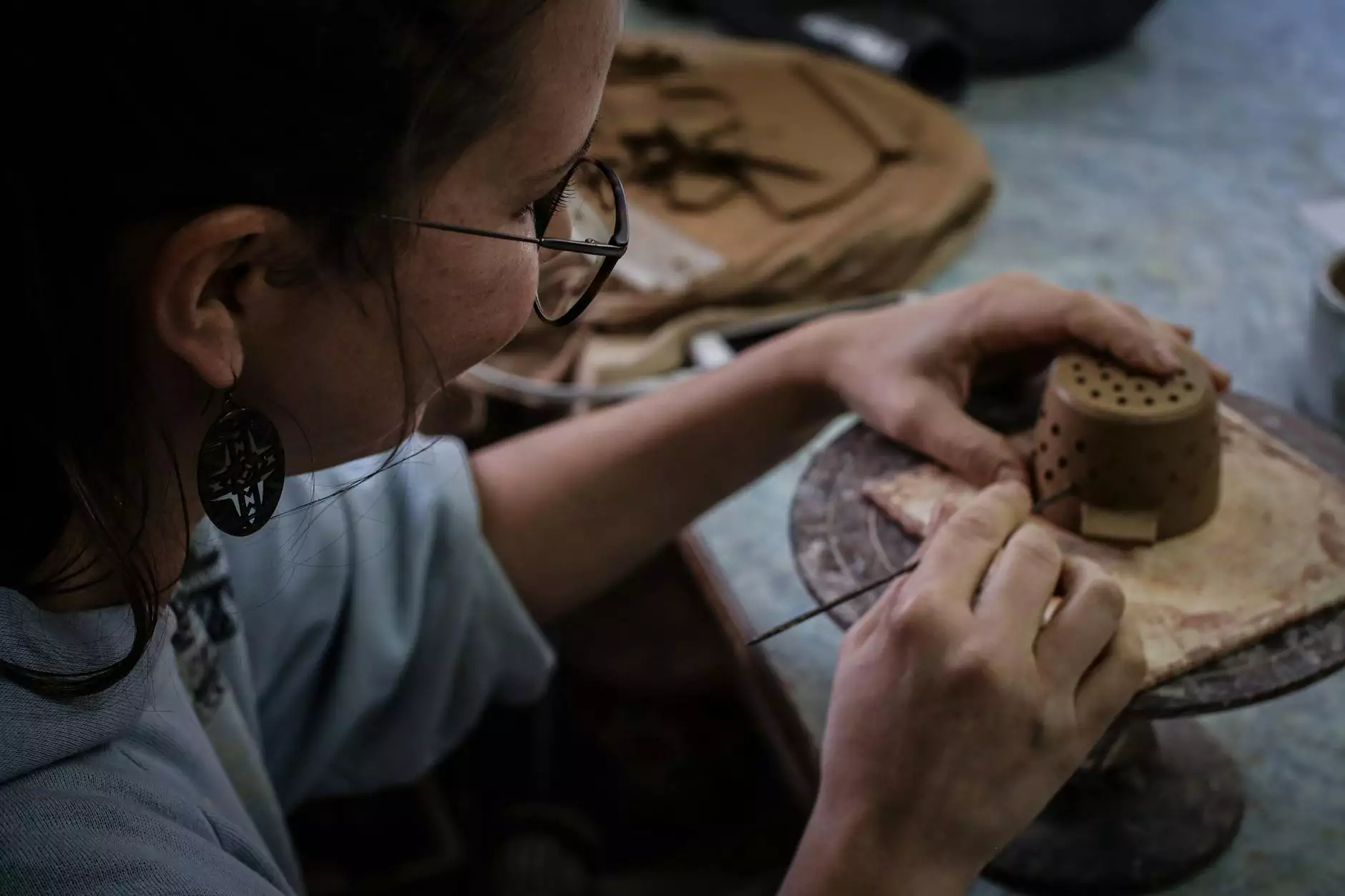
In today’s fast-paced world, creativity often takes a backseat in children's lives. However, establishing a pottery studio can ignite a spark of imagination and provide a hands-on approach to art. Pottery not only represents a traditional craft but also serves as a medium through which children can express themselves creatively while honing various skills. In this article, we delve into the multifaceted benefits of a pottery studio, why it makes an enriching kids' activity, and how it aligns with the objectives of places like habberleytrail.co.uk.
The Magic of Pottery
Pottery has been a significant part of human culture for thousands of years. The tactile experience of manipulating clay can offer children a profound sense of fulfillment. Here are some compelling reasons why a pottery studio is perfect for kids:
1. Encouraging Creativity
- Pottery allows kids to transform their ideas into tangible forms, pushing the boundaries of their creativity.
- They can experiment with various shapes, colors, and textures, which fosters a free-form expression of their artistic capabilities.
- Encouraging original designs lets children develop a unique style and personal voice in their creations.
2. Enhancing Motor Skills
Working with clay involves numerous movements that significantly enhance fine and gross motor skills:
- Pottery techniques such as pinching, coiling, and wheel throwing help improve hand-eye coordination.
- Manipulating clay strengthens the muscles in the hands and fingers, crucial for childhood development.
- Transitioning from shaping to finishing allows children to experience various stages of creation, improving patience and focus.
3. Building Confidence
Completion of pottery projects instills a sense of accomplishment:
- Children gain confidence as they see their ideas come to life through their hands.
- Receiving compliments and praise from peers and instructors reinforces their self-esteem.
- Overcoming challenges in the pottery process teaches resilience and perseverance.
Legal Considerations for a Pottery Studio
Starting a pottery studio involves several legal considerations that must be addressed:
1. Licensing and Permits
Before starting a pottery studio, it is essential to comply with local regulations:
- Research what permits are needed to operate a studio.
- Ensure you have liability insurance to protect yourself and your clients.
- Registering the business with local authorities can legitimize your activities.
2. Health and Safety Regulations
Ensuring the safety of children in a pottery studio is paramount:
- Implement safety measures regarding tools and oven usage.
- Maintain cleanliness and proper ventilation in the studio.
- Educate children about safe practices while handling clay and tools.
How a Pottery Studio Fits into Kids Activities and Amusement Parks
Pottery studios cater perfectly to children's activities within entertainment contexts like amusement parks. Here’s how:
1. Engagement with Nature and Art
Combining art with the natural world can lead to profound learning experiences:
- Using natural elements such as clay enhances appreciation for environmental resources.
- Field trips to natural landscapes can inspire themes for pottery creations.
2. Fostering Social Skills
When kids create together, they develop vital social abilities:
- Working in groups allows children to learn collaboration and communication skills.
- Constructive discussions about each other’s work can foster empathy and respect.
- Team projects build camaraderie and create collective goals.
3. Learning through Play
The best learning experiences come wrapped in fun:
- Pottery engages kids in play-based learning, making it a delightful part of their time at amusement parks.
- Creating characters or designs from their favorite stories can make the pottery process enjoyable.
- Offering themed pottery sessions related to the amusement park’s attractions can enhance overall enjoyment.
Understanding the Pottery Process
The journey of pottery involves several stages, making the learning process intellectually stimulating for kids. Here’s a breakdown of what happens in a pottery studio:
1. Choosing the Right Clay
Not all clays are created equal! There are various types of clay, including:
- Stoneware: Great for beginners and versatile for many projects.
- Earthenware: Easy to work with, ideal for colorful projects.
- Porcelain: Best suited for advanced users due to its delicacy.
2. Shaping Techniques
Once the clay is chosen, children learn different shaping techniques:
- Hand-building: Ideal for beginners; includes pinching, coiling, and slab construction.
- Throwing: Advanced technique involving a potter's wheel, best for older kids.
3. Firing
After shaping, the pottery must be fired:
- The first firing, known as bisque firing, prepares the clay for glazing.
- The second firing occurs after applying glazes, making the pottery durable and colorful.
4. Glazing and Finishing Touches
Applying glaze can transform all pottery pieces:
- Children learn about color theory and application techniques.
- Final touches allow for personalization, enhancing the overall artistic experience.
Key Considerations for Running a Successful Pottery Studio
Here are significant aspects to consider when establishing and running a pottery studio:
1. Equipment Needs
Investing in quality tools is critical for a successful studio:
- Potter's wheels, kilns, and hand tools are essential investments.
- Ensure that you have ample workspace with sufficient supplies for each child.
2. Staff Training and Guidance
Well-trained staff is essential for providing a positive experience:
- Instructors should be skilled in pottery techniques and child development.
- Continuous training in new pottery methods encourages a broader range of activities.
3. Community Engagement
Connecting with the community can enhance visibility and interest:
- Organizing pottery workshops and exhibitions can attract families.
- Collaborating with local schools for educational field trips can create a learning hub.
Conclusion
A pottery studio represents a stunning opportunity to blend artistry, education, and fun in a way that stimulates young minds. By engaging in various pottery techniques, children not only express their artistic flair but also develop skills that will serve them throughout their lives. As part of an amusement park or community attraction like habberleytrail.co.uk, a pottery studio can enhance the vibrant atmosphere, making it a prime location for unforgettable kids activities.
Investing in a pottery studio could very well mark the start of a creative revolution in your community, where children can learn, grow, and play through the joyful art of pottery.