Effective Wheat Weevil Control: Strategies for Farmers
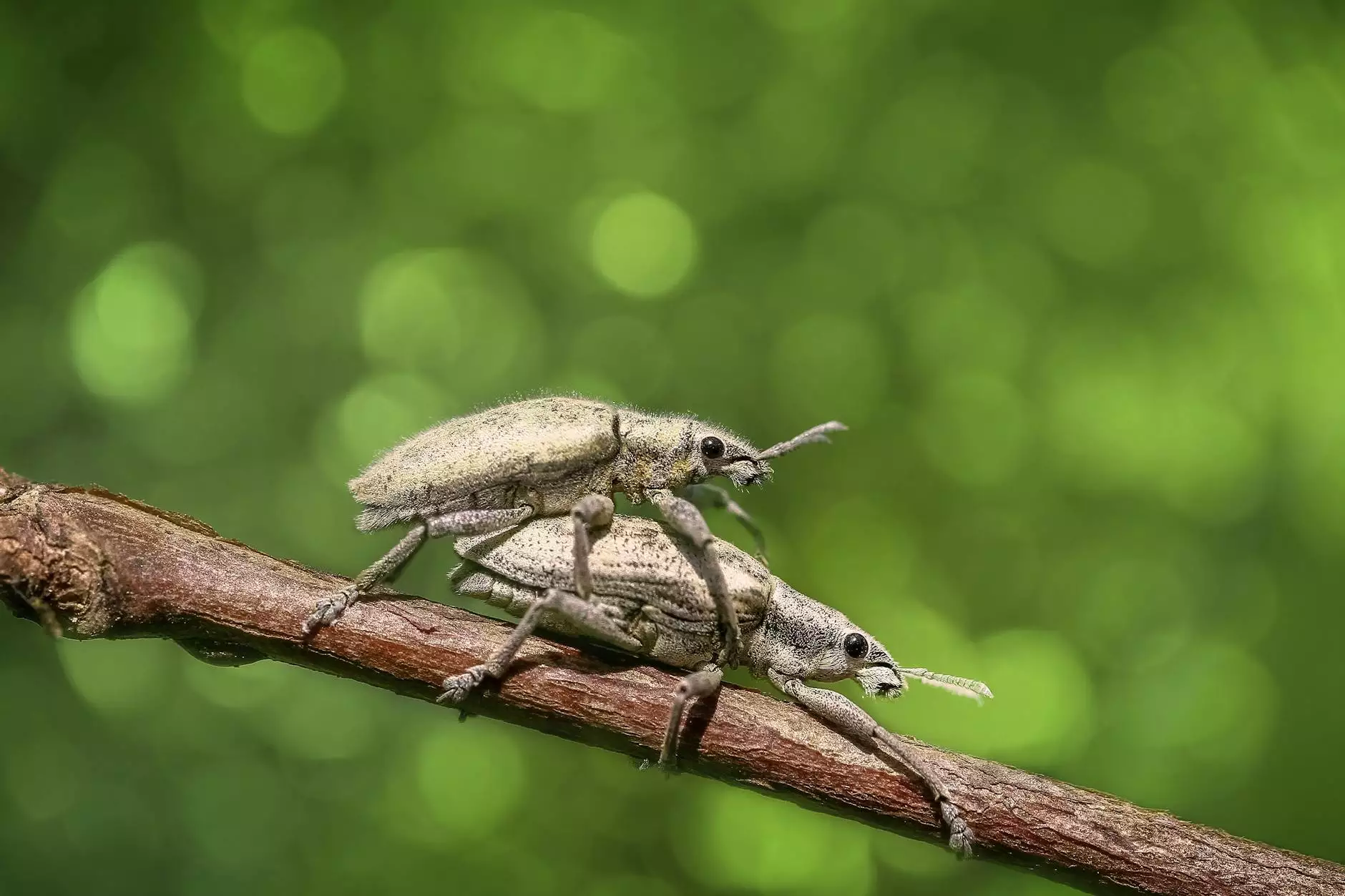
Wheat weevil control is a crucial aspect of modern farming that cannot be overlooked. As a significant pest affecting wheat and other grains, the wheat weevil can severely impact your harvest and bottom line if not managed effectively. In this extensive guide, we will delve into the intricacies of wheat weevil control, exploring the biology of the pest, prevention strategies, and effective management practices. By implementing these practices, farmers can protect their crops and ensure a sustainable and profitable farming operation.
Understanding the Wheat Weevil
The wheat weevil (Sitophilus granarius) is a small, brownish beetle that primarily targets stored grains. They are approximately 3-4 mm in length and are characterized by their elongated snouts. Understanding their life cycle is essential for effective control:
- Egg Stage: Female weevils lay eggs inside the grains. Each female can lay up to 300 eggs.
- Lava Stage: After hatching, the larvae feed on the grain, causing significant damage.
- Pupal Stage: The larvae then pupate inside the grain.
- Adult Stage: The adult emerges after a few weeks, leading to a continuous cycle.
The Importance of Wheat Weevil Control
Effective wheat weevil control is important for several reasons:
- Crop Quality: Infestations can lead to reduced grain quality, impacting marketability.
- Yield Loss: Significant infestations can cause considerable yield losses, affecting overall productivity.
- Economic Impact: Decreased yields and quality translate directly to lower profits for farmers.
- Food Safety: Infestations in stored grain can lead to contamination, posing health risks to consumers.
Prevention Strategies for Wheat Weevil Control
Preventing wheat weevils from infesting your harvest is the first line of defense. Here are several preventative measures you can take:
1. Proper Storage Techniques
Storage conditions play a significant role in wheat weevil control. To minimize risks:
- Ensure grain is stored in clean, airtight containers.
- Avoid storing warm or damp grains that attract pests.
- Regularly check storage areas for signs of infestation.
2. Regular Inspection and Monitoring
Frequent inspections of stored grain can help detect early signs of weevil presence. Set up monitoring traps to catch adult weevils and assess their population levels.
3. Crop Rotation
Implementing a crop rotation strategy can disrupt the life cycle of the wheat weevil. By alternating crops each season, you can reduce weevil populations and improve soil health.
4. Cleanliness is Crucial
Maintaining cleanliness in storage and processing areas significantly reduces the chances of infestations. Regularly cleaning up spilled grains and debris eliminates potential breeding grounds for weevils.
Effective Management Practices for Wheat Weevil Control
In addition to preventive measures, proactively managing weevil populations is vital. Here are some effective management practices:
1. Chemical Control Options
If preventative measures fail, chemical control may be necessary. Insecticides specifically designed for wheat weevil control can be applied to infested grains. Always follow the manufacturer's instructions and guidelines on safe use.
2. Biological Control Agents
Integrated Pest Management (IPM) approaches can incorporate biological control agents. Predatory insects or parasitic wasps can help control weevil populations naturally.
3. Temperature Manipulation
Temperature control can be an effective method for wheat weevil control. Lowering the temperature of storage areas or using heat treatment to kill weevils can be beneficial. For instance, heating infested grain to 140°F for a minimum of 30 minutes will eliminate weevil eggs, larvae, and adults.
4. Vacuuming and Physical Removal
For moderate infestations, vacuuming grain storage areas can remove weevils effectively. This method may not eradicate all pests but can significantly reduce their numbers.
Utilizing Technology in Wheat Weevil Control
Advancements in technology can enhance wheat weevil control. Here are some innovative approaches:
1. Smart Sensors
Integrating smart sensors into storage facilities can help monitor temperature and humidity levels, alerting farmers to conditions conducive to weevil infestations. This real-time data can facilitate timely interventions.
2. Drones for Crop Monitoring
Drones equipped with imaging technology can monitor crops for signs of weevil damage. Early identification can enable proactive measures to protect the harvest.
3. Data Analytics and Modelling
Leveraging data analytics can help forecast pest outbreaks based on environmental conditions and historical data. Farmers can use this information to tailor their wheat weevil control strategies accordingly.
The Role of Professional Services
Sometimes, despite best efforts, weevil populations can escalate beyond control. In such cases, seeking professional pest management services from an experienced provider can be an effective solution. Professional services can:
- Offer expert analysis of infestation levels.
- Implement customized pest control plans based on specific farm conditions.
- Provide training and education for farmers on best practices in pest management.
Conclusion: A Proactive Approach to Wheat Weevil Control
Effective wheat weevil control is essential for safeguarding your grains and ensuring the sustainability of your farming operations. By understanding the biology of the weevil, implementing preventive measures, and employing effective management practices, farmers can protect their harvests against this challenging pest. Embrace technology and consider professional assistance when necessary to enhance your pest management strategies.
At TSGC Inc., we are committed to providing comprehensive solutions in Farm Equipment Repair and Farming Equipment. Our experts are ready to help you implement the best practices for wheat weevil control to secure the future of your farming endeavors.
Contact us today at tsgcinc.com to learn more about our services and how we can assist you in maintaining productive and healthy crops.