Unlocking the Benefits of Cheap Japanese Car Parts: A Comprehensive Guide
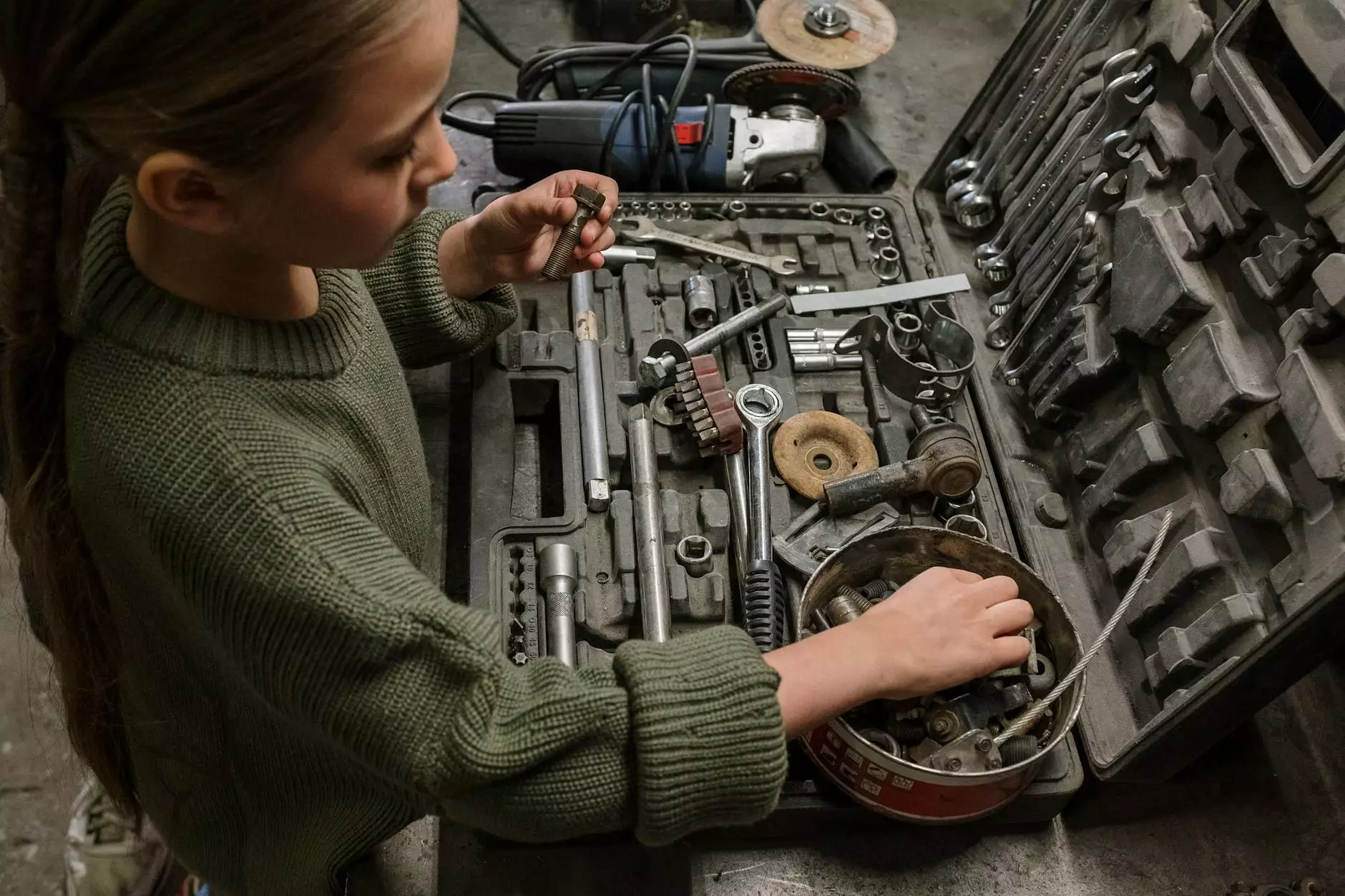
The automotive market is vast and ever-evolving, and with the increase in vehicle owners, the demand for vehicle parts has skyrocketed. One niche that has gained significant traction is the search for cheap Japanese car parts. This article will explore the necessity and advantages of sourcing Japanese car parts, showcasing how you can maintain your vehicle efficiently without breaking the bank.
Why Choose Japanese Cars?
Japanese vehicles have long been synonymous with quality, reliability, and efficiency. Brands such as Toyota, Honda, Subaru, and Nissan have set the standard in the automotive industry. When considering cheap Japanese car parts, it’s essential to understand why these vehicles are favored:
- Durability: Japanese cars are designed to last, often requiring fewer repairs over their lifespan compared to their counterparts.
- Fuel Efficiency: Many Japanese models are engineered with fuel conservation in mind, meaning less spent on gas.
- Resale Value: Japanese cars maintain higher resale values, making them a sound investment.
- Innovation: These manufacturers are at the forefront of technology, contributing to advancements in safety and efficiency.
Understanding the Market for Cheap Japanese Car Parts
The market for cheap Japanese car parts has expanded dramatically, catering to both DIY enthusiasts and professional mechanics. But finding quality parts at an affordable price can be a challenge. Here are key insights into navigating this market:
The Rise of Online Retailers
With the advent of e-commerce, online platforms have become go-to sources for purchasing car parts. Websites like 1autoparts.com offer a broad selection of parts at competitive prices. When shopping online, consider the following:
- Reputation: Utilize platforms that are known for quality service and reliable products.
- Customer Reviews: Always read customer reviews to assess the quality and performance of parts.
- Shipping Costs: Compare shipping fees across websites to ensure total costs remain low.
- Return Policies: Be aware of the return policies in case the parts do not meet your needs.
The Importance of Quality Over Price
While searching for cheap Japanese car parts, it’s critical to strike a balance between affordability and quality. Low-priced parts may tempt you, but they can lead to costly repairs in the long run. It’s advisable to consider:
- OEM vs. Aftermarket Parts: Original Equipment Manufacturer (OEM) parts are made by the vehicle's manufacturer, while aftermarket parts are produced by third parties. It’s important to assess which fits best with your vehicle’s needs.
- Warranty: Parts that come with warranties often indicate a level of quality assurance from the manufacturer.
- Material Quality: Investigate what materials are used in the parts, as higher quality materials can enhance the longevity of the component.
When to Replace Japanese Car Parts
Knowing when to replace your car parts is essential for maintaining the performance of your vehicle. Some signs you need to look out for include:
Common Indicators of Wear
Several signs indicate that your car parts may be due for replacement. These include:
- Unusual Noises: Strange sounds, such as grinding or squeaking, often suggest parts are worn or damaged.
- Warning Lights: Modern vehicles have warning systems that alert you to various issues, including engine and brake diagnostics.
- Fluid Leaks: Noticeable leaks under the vehicle should not be ignored, as they could indicate failing components.
- Performance Issues: If you experience reduced acceleration, difficulty in steering, or issues with braking, it may be time to inspect your car parts.
Regular Maintenance: A Key to Longevity
Regular maintenance is critical in prolonging the life of your Japanese car parts. Establish a routine that includes:
- Oil Changes: Regular oil changes prevent engine wear and improve overall engine performance.
- Tire Rotation and Alignment: Ensure even tire wear and optimal handling by rotating tires and checking alignment regularly.
- Brake Inspection: Regular brake inspections can help avoid accidents and keep your braking system efficient.
- Fluid Checks: Regularly check and refill brake fluid, antifreeze, and transmission fluid as necessary.
Where to Find Cheap Japanese Car Parts Online
When looking for cheap Japanese car parts, it’s vital to know where to search. Here are some reliable options:
1. 1autoparts.com
This trusted site provides a wide array of affordable Japanese car parts. It’s user-friendly, allowing easy navigation to find the specific parts you need.
2. eBay
eBay is an online auction and shopping website that gives you access to various new and used car parts. Make sure to check seller ratings and reviews.
3. RockAuto
RockAuto offers a comprehensive inventory, particularly for older Japanese vehicle models, making it an excellent resource for cheap Japanese car parts.
4. Local Junkyards
Don’t overlook local junkyards, which can have surprisingly good options for used Japanese car parts at a fraction of the cost.
Conclusion: Embrace the Value of Cheap Japanese Car Parts
The search for cheap Japanese car parts does not mean settling for subpar quality. With a little research and the right tools at your disposal, you can maintain your vehicle efficiently without straining your wallet. Each component you carefully choose plays a significant role in your vehicle's overall performance and safety.
Whether you’re a seasoned mechanic or a DIY novice, trusting reliable sources like 1autoparts.com can revolutionize the way you approach your car maintenance needs.
Explore more insights and affordable options for your Japanese car parts at 1autoparts.com.