Understanding the Importance of Lathe Machine Parts in Metal Fabrication
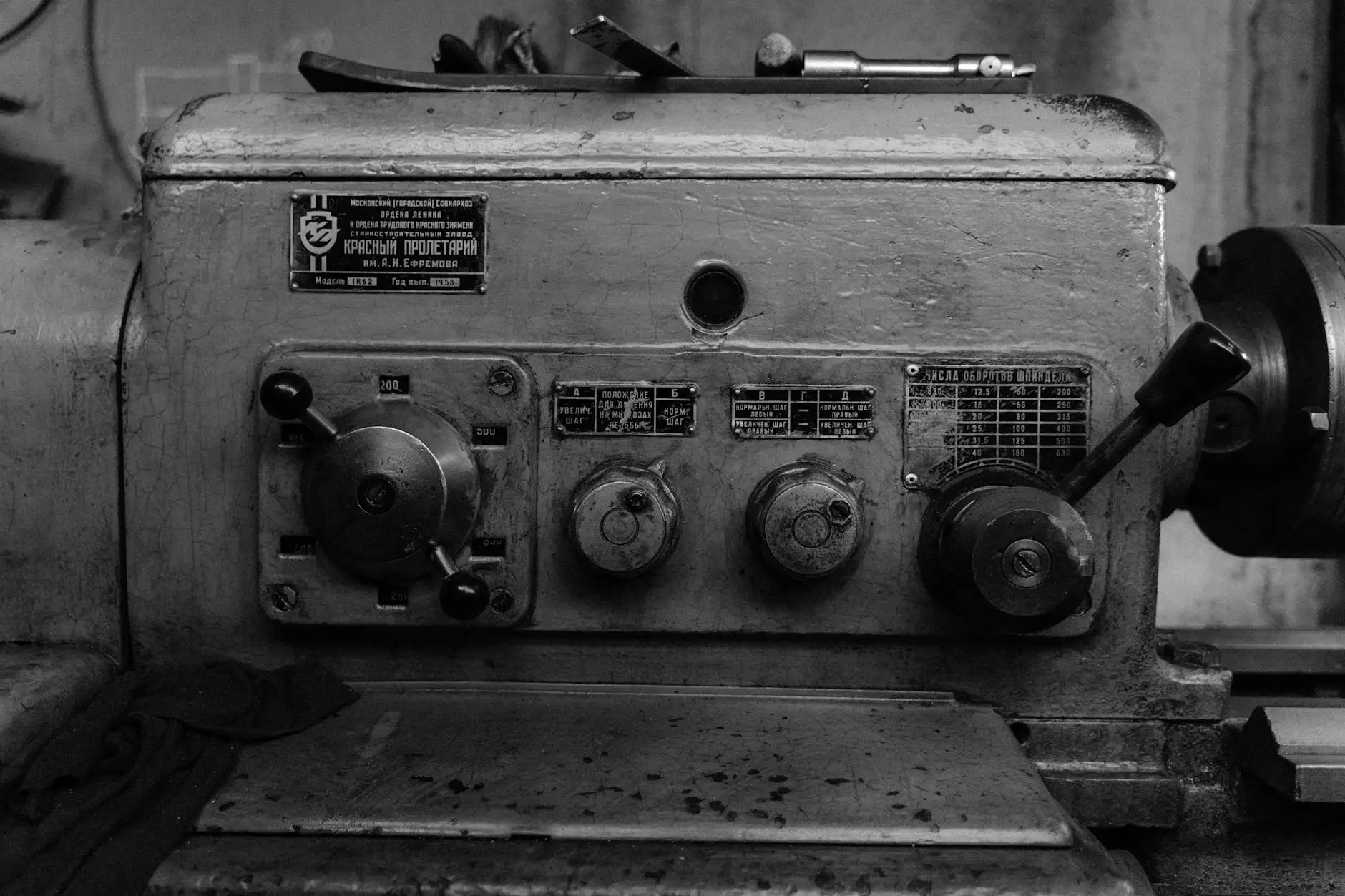
In the realm of metal fabrication, the machinery used is as crucial as the materials processed. Among the various machines that play a pivotal role in shaping metal, the lathe machine stands out, particularly due to its versatility and precision. The components within these machines, often referred to as lathe machine parts, are fundamental in achieving high-quality results in metalworking. This article will delve into the intricacies of lathe machine parts, exploring their functionality, significance, and the best practices for maintaining them.
What is a Lathe Machine?
A lathe machine is a type of machine tool that rotates a workpiece around a fixed axis to perform various operations such as cutting, sanding, and drilling. This incredible versatility makes it indispensable in industries ranging from aerospace to automotive manufacturing. At the heart of the lathe machine are its parts, which work in harmony to ensure precision and efficiency.
Key Components of Lathe Machines
Understanding the components of a lathe machine is essential for anyone involved in metal fabrication. Here are the primary parts and their functions:
- Headstock: This is where the primary motor is located and houses the gears that drive the spindle. It allows for variable speeds and direction for the workpiece.
- Tailstock: This component supports the other end of the workpiece and can be adjusted to accommodate different lengths. It is often equipped with a quill that can be moved to perform drilling operations.
- Bed: The bed provides the foundation of the lathe machine, supporting other components and maintaining alignment.
- Carriage: This system holds the cutting tool and facilitates movement along the bed. It can be operated manually or through a CNC system for automated machining.
- Tool Post: Attached to the carriage, the tool post holds the cutting tools firmly in place while allowing for easy adjustments.
- Spindle: The spindle is the rotating part of the lathe that holds and drives the workpiece.
- Chuck: Chucks are clamps that secure the workpiece to the spindle. They come in various types, including three-jaw and four-jaw chucks, each suited for different tasks.
The Role of Lathe Machine Parts in Precision Engineering
In metal fabrication, precision is paramount. The quality of the lathe machine parts directly impacts the machine's output quality. For instance, worn-out bearings or poorly calibrated chucks can lead to imprecise cuts, resulting in defects and wastage. Therefore, investing in high-quality lathe parts from reputable manufacturers, such as those found at deepmould.net, is crucial for any fabricator aiming for excellence.
Benefits of High-Quality Lathe Machine Parts
Choosing high-quality lathe machine parts offers numerous advantages:
- Improved Precision: High-quality parts ensure the machine operates smoothly, leading to more accurate and repeatable results.
- Increased Durability: Durable parts withstand wear and tear, reducing the frequency of replacements and maintenance.
- Cost Efficiency: While the initial investment may be higher, high-quality parts lead to lower operational costs in the long run through less downtime and fewer defects.
- Enhanced Performance: Upgraded parts can enhance the performance of existing machinery, allowing for quicker and more efficient operations.
Maintenance of Lathe Machine Parts
Regular maintenance of lathe machine parts is vital for sustaining performance and prolonging the machine's lifespan. Here are some recommended practices:
1. Regular Lubrication
One of the simplest yet most effective maintenance tasks is to keep all moving parts well-lubricated. This reduces friction and prevents overheating, which can lead to damage.
2. Inspection of Components
Routine inspections help identify worn parts before they fail. Pay attention to components like the spindle, bearings, and belts, as they are critical for operation.
3. Calibration
Regularly check the calibration of your lathe machine. This ensures that the machine operates within the required tolerances and maintains its precision.
4. Maintaining Cleanliness
Keep the lathe machine clean by removing metal shavings and debris after each use. A clean workspace fosters a safe and efficient working environment.
5. Professional Servicing
Consider having your lathe machine serviced by professionals periodically. Expert technicians can perform in-depth assessments and adjustments that might be overlooked during routine maintenance.
Conclusion
The lathe machine parts factory plays a crucial role in the broader context of metal fabrication. Understanding their importance and ensuring they are of the highest quality translates to better outcomes in manufacturing processes. As industries continue to evolve, the demand for precision in metalworking grows, making it essential for manufacturers to prioritize the quality of their machinery components. By doing so, they not only enhance their operational efficiency but also their reputation in a competitive marketplace.
For more information on high-quality lathe machine parts that can significantly improve your manufacturing processes, visit deepmould.net and discover how they can assist you in achieving greater precision and performance in your projects.
Frequently Asked Questions (FAQs)
What are the common types of lathe machines?
There are various types of lathe machines, including:
- CNC Lathes: Computer numerical control lathes that allow for automated machining with high precision.
- Manual Lathes: Traditional lathes operated by hand, suitable for smaller projects.
- Turret Lathes: Lathes equipped with a turret, allowing for multiple tool configurations without changing tools manually.
- Toolroom Lathes: Designed for precision work, ideal for toolmakers and precise machining tasks.
How often should lathe machine parts be replaced?
The frequency of part replacement depends on several factors, including the intensity of use, the type of materials being processed, and the quality of the parts themselves. Regular inspections will help determine when parts need replacement.
Can I upgrade my lathe machine components?
Yes! Upgrading components such as the spindle, carriage, or control systems can significantly enhance the performance and capabilities of your lathe machine, allowing for greater flexibility and efficiency in your operations.